
Circuit Testing ICT in Pcb Manufacturing Assembly
In-circuit testing is a key component of PCB production that allows manufacturers to catch defects early in the process. ICT can identify a variety of issues, including open connections, solder shorts, and incorrect or missing components. It also provides a comprehensive check of power and ground, ensuring that the board is functioning as intended.
The ICT process begins with meticulous preparation of the board and its components. Engineers use the PCB design files to identify test points on the board and create a test fixture that can physically contact those points. Once the fixture is ready, the PCB is inserted into it and electrical signals are applied to each test point, evaluating their responses for any deviations from expected values.
During ICT, data is collected and analyzed by specialized software, which alerts engineers of any discrepancies or faults. Detailed reports are generated that show the location and nature of each fault, allowing them to be quickly addressed. Once repairs are made, the pcb manufacturing assembly undergoes re-testing to ensure that it has been repaired properly and meets all quality standards.
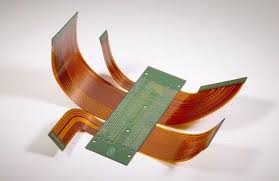
What is In-Circuit Testing ICT in Pcb Manufacturing Assembly?
While there are many advantages to using ICT, it is important to understand that the technique is not a substitute for functional testing (FCT). FCT evaluates a PCB as a whole unit in a real-world scenario to ensure that its functions meet or exceed quality and performance standards. While it is possible to incorporate both ICT and FCT into a production process, it is essential to determine which method will best suit the needs of your specific project.
ICT offers a number of benefits that make it an ideal choice for high-volume production runs. Reduced Rework Costs: Faults identified during ICT can be corrected before the product is shipped, which dramatically reduces overall rework costs and improves productivity. Improved Product Reliability: ICT helps to ensure that every component and connection is in place, reducing the risk of defective products. This is especially beneficial in industries that require a high level of reliability, such as aerospace, automotive, and medical devices.
Fault Coverage: While ICT can detect a wide range of defects, it is not possible to achieve 100% coverage. This is due to the fact that some defects are difficult to detect with ICT, such as low value capacitors and resistors.
In summary, PCB manufacturing assembly is not merely a technical process but a convergence of design, engineering, and innovation. Each step, from material selection and component placement to soldering and quality assurance, contributes to the creation of reliable electronic devices. As technology evolves, PCB assembly continues to adapt, integrating cutting-edge methods to meet the demands of smaller, faster, and more efficient electronics. This dynamic process underscores its importance in driving advancements across industries, from consumer electronics to critical applications like medical devices and aerospace systems.
To improve ICT’s efficiency and accuracy, it is important to consider the design of the PCB itself. This can be done by designing the board with test access points in mind and using high-density interconnect (HDI) technology to provide easier probing without compromising onboard space. Additionally, utilizing specialized tools and implementing statistical process control (SPC) processes can help to eliminate variations in measurement results, thereby increasing accuracy. Regular calibration of ICT equipment is also crucial to achieving consistent and reliable results.