Last Updated:
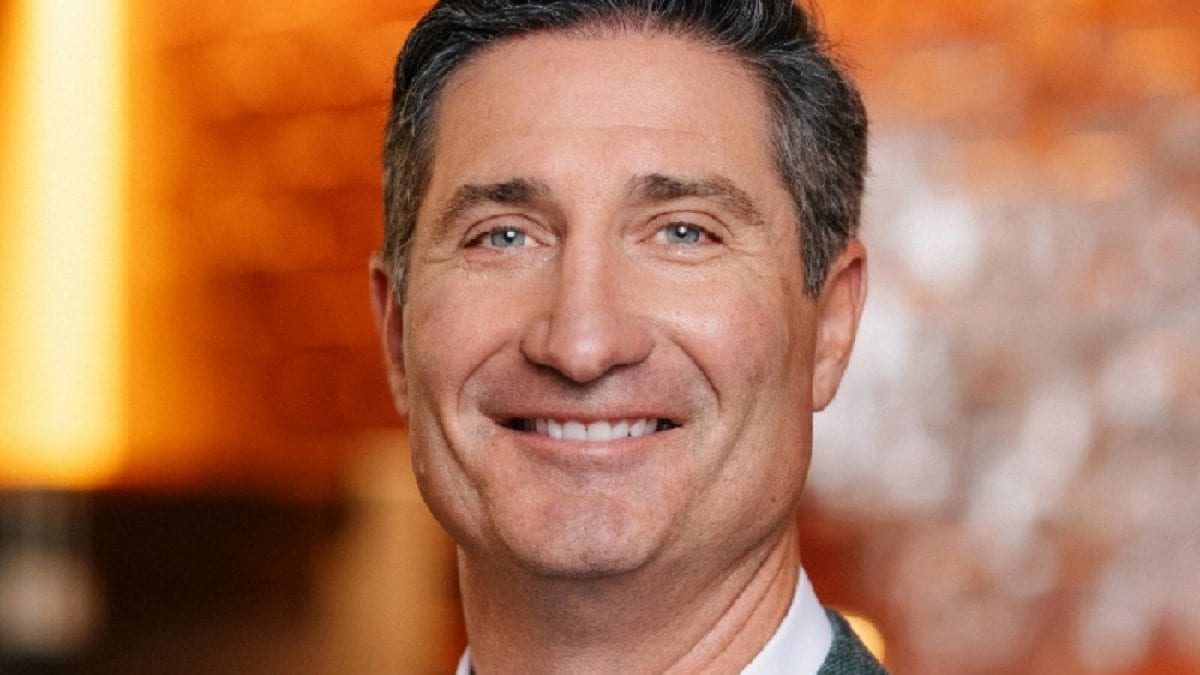
Starbucks new CEO Brian Niccol earned a remarkable $96 million for just four months of work in 2024, according to a Bloomberg report.
About 94 per cent of Starbucks CEO Brain Niccol’s compensation came from stock awards, primarily tied to performance and vesting over a three-year period.
While Tim Cook and Sundar Pichai, the CEOs of Apple and Google, respectively, each earned roughly $75 million in 2024, Starbucks new CEO Brian Niccol has taken the spotlight with a much more substantial pay package. Niccol’s compensation for just four months of work neared an extraordinary $100 million in 2024, positioning him among the highest-paid executives in the US.
According to a Bloomberg report, Niccol earned a remarkable $96 million for just four months of work in 2024.
Breakdown of Brian Niccol’s Salary
The report notes that about 94 per cent of Niccol’s compensation came from stock awards, primarily tied to performance and vesting over a three-year period. Additionally, Niccol received a $5 million sign-on bonus after his first month with Starbucks in September 2024.
A company filing from January 24 reveals further details of Niccol’s salary, which includes more than $143,000 allocated for housing expenses — nearly half of which was dedicated to tax payments. Another $72,000 was spent on travel between his Southern California home and Starbucks’ headquarters in Seattle. Additionally, around $19,000 covered personal expenses related to the use of company aircraft.
Niccol Among America’s Highest-Paid CEOs
As per the Bloomberg Pay Index, Brian Niccol ranks among the top 20 highest-paid CEOs in the United States. The report estimates his total compensation package to be worth around $113 million annually, factoring in the stock awards he received to replace those he forfeited from his previous employer, Chipotle.
Why Starbucks Chose Brian Niccol
Niccol’s appointment as CEO came after the ousting of Laxman Narasimhan, whose tenure ended amid declining sales and challenges, including global boycott calls and union movements in the U.S. Niccol, previously the CEO of Chipotle, was selected for his leadership experience and track record of turning businesses around. To ease his transition, Starbucks made accommodations, allowing him to work remotely and providing housing assistance as well as access to a company jet.
In their filing, Starbucks highlighted Niccol as a “highly sought-after, effective leader with a proven track record” who was well-equipped to drive growth for the coffee chain.