
ensure on-time delivery from a flexible PCB supplier
Despite their unique advantages, PCB manufacturing is not without its challenges. Several issues can arise throughout the production process that threaten timelines and lead to project delays, and they must be addressed effectively to avoid them.
Meticulous project planning is the cornerstone of successful flexible pcb supplier projects. It involves a detailed schedule with milestones and takes into account the manufacturing timelines and delivery times of the PCBs. By incorporating the fabrication timeline into the schedule, other tasks within the project can be aligned with it and completed on time.
This will ensure that the PCBs are shipped on time, allowing other components to be tested, integrated, and deployed in your final product. It will also prevent confusion among team members regarding task priorities and deadlines, which can result in delay.
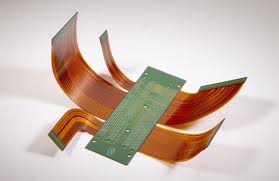
How to ensure on-time delivery from a flexible PCB supplier?
When selecting a flex PCB manufacturer, make sure you choose one that has an established reputation for delivering high-quality products with on-time delivery. Look for a company that has been in business for a long time, has experience working with customers from different industries, and has a track record of meeting deadlines. You can also ask for a list of past clients and references to get an idea of the company’s quality and service level.
If you are using a flex PCB for an application that will require frequent bending and movement, it is essential to use a design that can sustain this stress. This is why it is crucial to use a CAD software that supports flex-grade materials and layout techniques. The best software can help you optimize your design for fabrication, while also minimizing costs by utilizing the most efficient traces and pads.
Another way to ensure on-time delivery from a flexible PCB supplier is to work with an experienced turn-key manufacturer that offers one-stop services. This will help you avoid communication problems that may occur if you work directly with an overseas manufacturer, such as language barriers and time differences. In addition, a turn-key manufacturer can handle all the steps of the PCB production process and shipping, allowing you to focus on other aspects of your project.
A flexible PCB’s ability to resist mechanical stresses is an important feature that will protect your circuit boards from damage and ensure your devices perform reliably in harsh environments. This resilience also safeguards the integrity of your electrical connections and reduces the likelihood of solder joint failure.
The supplier’s approach to quality control and compliance with industry standards is also a crucial factor. Flexible PCBs are often used in critical applications where reliability and safety are paramount. Therefore, the supplier must adhere to strict quality control processes, including thorough testing and inspection at every stage of production.
Finally, a flex PCB should be made with reliable conductor materials such as FR4 or Rogers 4003 material. These are a polyimide-based material that allows flex PCBs to bend and twist without damage and retain their functionality. A flex PCB that has conductors made of these materials can also endure high temperatures, humidity, and dust.