
Last Updated:
Just like a good credit score is built over time through consistent habits, a bad credit score can also be improved with effort and discipline.
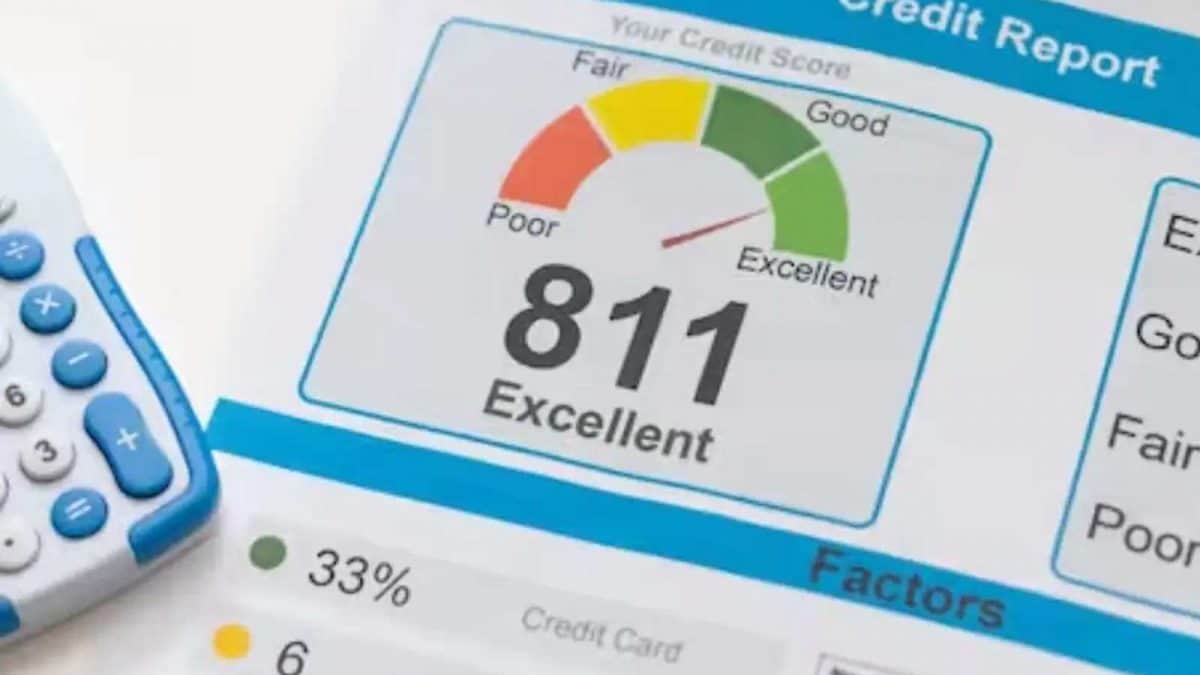
Make it a habit to check your credit score report card regularly.
Falling behind on loan repayments or missing your credit card bills can happen to anyone. Whether it was due to a financial emergency, job loss or simply poor money management, a few missed payments can lead to a drop in your credit score. Once that happens, borrowing money in the future becomes more difficult and banks and lenders start seeing you as a risky borrower. You may face loan rejections, be asked to pay higher interest rates or need to provide extra documents and guarantees just to get approved.
But a low credit score is not the end of the road. Just like a good score is built over time through consistent habits, a bad score can also be improved with effort and discipline. The key is to take action. The sooner you start working on your credit health, the faster you’ll see progress.
What Happens When You Miss Payments
Whenever you miss an EMI or fail to pay back a loan, the lender reports it to credit bureaus. This lowers your credit score and makes it harder for you to get loans or credit cards in the future. Even if you do get approved, you might face higher interest rates. This record can stay in your credit report for several years.
Immediate Recovery Steps
Clear outstanding dues
Pay overdue amounts or negotiate a settlement. Though a ‘settled’ status still hurts your credit, it softens long-term damage
Restructure your loan
If you foresee trouble making EMIs, petition your lender to restructure the loan, possibly with a longer tenure or lower EMI. While this might dip your score initially, steady repayments can gradually restore it.
Steps to Rebuild Your Credit Score Over Time
Pay All Bills and EMIs on Time
Timely payment is one of the most important things that helps your credit score grow. Set reminders or use auto-pay to make sure you never miss a due date again.
Keep Your Credit Card Spending Low
Try not to use the full credit limit on your cards. Spending within 30 percent of your limit shows that you are managing credit well and helps your score.
Use a Secured Credit Card or Small Loan
Start using small amounts of credit again, but be sure to pay back on time. A secured credit card backed by a fixed deposit is a good option if you have a low score.
Avoid Applying for Too Many Loans at Once
Every time you apply for a loan, lenders check your credit. Too many applications can make it look like you are desperate for credit, which affects your score.
Check Your Credit Report Regularly
Mistakes in credit reports are common. Make it a habit to check your report and raise a dispute if you find any incorrect information.

A team of writers and reporters decodes vast terms of personal finance and making money matters simpler for you. From latest initial public offerings (IPOs) in the market to best investment options, we cover al…Read More
A team of writers and reporters decodes vast terms of personal finance and making money matters simpler for you. From latest initial public offerings (IPOs) in the market to best investment options, we cover al… Read More
view comments
- Location :
Delhi, India, India
- First Published: