
Affect the Speed of a Fast Turnaround PCB Manufacturer
The electronics industry has long lived by the cliche: Time is money. The ability to bring products to market in a timely manner is critical for meeting customer demands and staying ahead of competitors. Thankfully, streamlined PCB manufacturing and assembly processes allow engineers and designers to iterate quickly and bring innovations to market without sacrificing quality or reliability. Fast turnaround PCB manufacturers can provide an essential service in the face of demanding timelines, allowing companies to meet project deadlines and remain competitive in today’s dynamic marketplace.
There are several factors that influence the speed of a fast turnaround pcb manufacturer. These include design complexity, board size and layer count, and the availability of components. In addition, effective communication between designers and manufacturers is key to minimizing delays caused by misunderstandings and unanticipated issues that can lengthen production times.
Choosing a reputable, reliable PCB manufacturer that has a track record of providing high-quality and reliable products is essential. ISO certification is a common indicator of a company’s commitment to quality, and it can help ensure that the company follows established industry standards throughout the manufacturing process. Additionally, working with a manufacturer that utilizes automated processes and efficient workflow management can further enhance production speeds without compromising quality or accuracy.
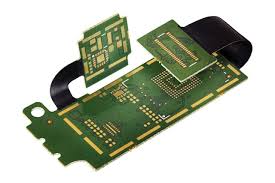
Factors That Affect the Speed of a Fast Turnaround PCB Manufacturer
Optimizing the design for manufacturability can also significantly reduce the time required to produce a quick-turn prototype or low-volume production run. This includes following the manufacturer’s guidelines for Gerber file formats and ensuring that the output package contains all of the information necessary to manufacture the circuit board. It’s also important to choose standard components that are readily available in the market and to avoid parts with lengthy lead times or custom requirements. Additionally, opting for a standard copper weight and reducing the number of layers can accelerate the fabrication process. Lastly, using standard trace widths and spacing can improve the manufacturability of the board and eliminate additional steps in the production process.
Once the PCBs are fabricated, they need to be assembled and tested before being shipped out for use in the field. This process can take a significant amount of time depending on the type of assembly, component placement methods, and testing methodologies. To accelerate this step, a thorough engineering review should be conducted before production to identify and resolve any potential issues that may hinder the assembly process. Additionally, utilizing advanced equipment and automation can improve efficiency by reducing the time required for inspection, testing, and assembly.
Another major factor that can impact the speed of a fast turnaround PCB manufacturing company is the supply chain. Delays often occur when one or more required components are out of stock at the time that the bill of materials is created and the fabrication order is placed. Proper planning and sourcing strategies can eliminate months-long delays by ensuring that orders are placed with distributors that have extensive inventory of commonly used components. Finally, leveraging design for manufacturability software and careful QA/QC can dramatically reduce inspection and rework time.